
Hunter Business School is a career-focused institution operating across two campuses on Long Island. Its work spans the journey from first inquiry through enrollment and active study, across admissions, marketing, financial aid, and career services and more than twenty reps across four teams.
🏆This project was the recipient of the 2026 Semiannual HubSpot Technical Expertise Impact Award. You can see the showcase of all award winners here.
The Challenge
Hunter ran its admissions and education records on a 30-year old, on-premise Microsoft Access database. Running on local servers, the database had a ceiling on simultaneous users, which made peak-time access unreliable, and its interface predated modern admissions work.
The bigger problem was what the school could not do. Access was built to store records, not marketing, so an incomplete and conflicting marketing technology stack grew around it including Constant Contact, Hootsuite, and LeadSquared. The non-integrated toolset, required error-prone manual data for drip emails and texts and to dependably stop marketing to students who had already enrolled. Promising leads slipped through the cracks.
Since leads were entered by hand, representative assignment depended on whoever was in the office and a contact's status was scattered across separate tables often with inconsistencies. Reporting depended on which system you looked at. With 2,000 student leads monthly and about 400 graduates annually, admissions and career services, Hunter was overwhelmed by their manual processes.
The Strategy
No Bounds Digital approached the engagement as designing an operating system, not rolling out software. After auditing Hunter's MS Access database, the team scoped a system of record on HubSpot’s Sales and Marketing Hubs. Keeping Access in the loop was deliberate change management: administrators and instructors kept working in Access, while admissions moved to HubSpot.
The team evaluated off-the-shelf sync tools and a full migration but rejected both: the first could not reach an on-premise database behind a firewall, the second deferred to a later phase. Custom middleware solved both.
The team designed a custom integration layer: a Node.js and Express middleware service brokering between HubSpot and the campuses' on-premise Access databases in Levittown and Medford, backed by a PostgreSQL store for authentication and value mappings. Because those databases are not internet-accessible, each campus is reached through a secure tunnel, under a dual security model: authenticated sessions for staff, a shared-secret handshake for machines.
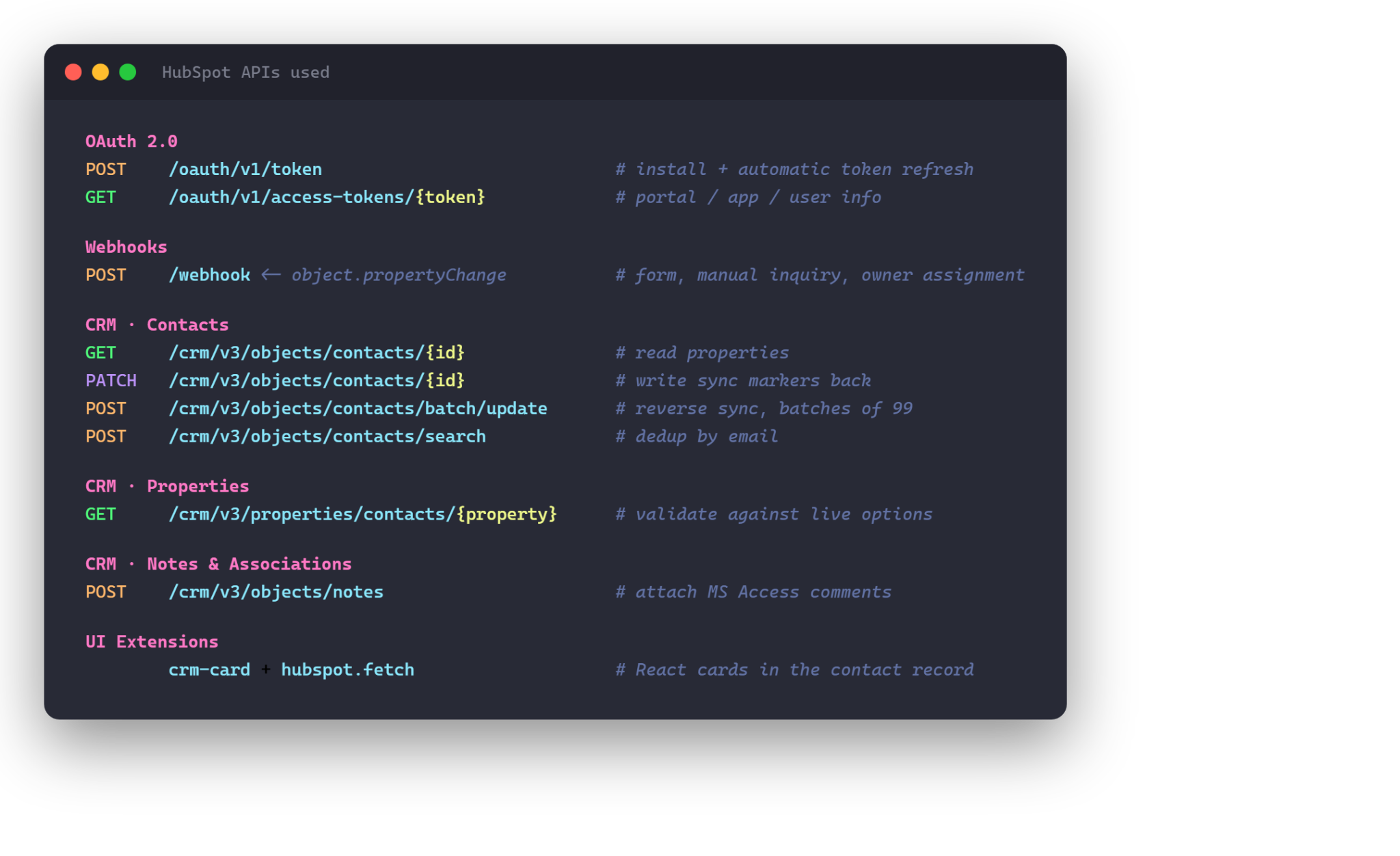
The integration was built entirely on HubSpot's APIs (see image below), keeping it durable and extensible. The app installs over OAuth 2.0, with tokens stored per portal and refreshed automatically. Property-change webhook subscriptions push HubSpot events to the middleware, which reads and writes through the API batch, search, and properties endpoints and attaches activity as notes. No Bounds Digital led the technical direction translating an aging manual process into a cloud-based operating system.
The Solution
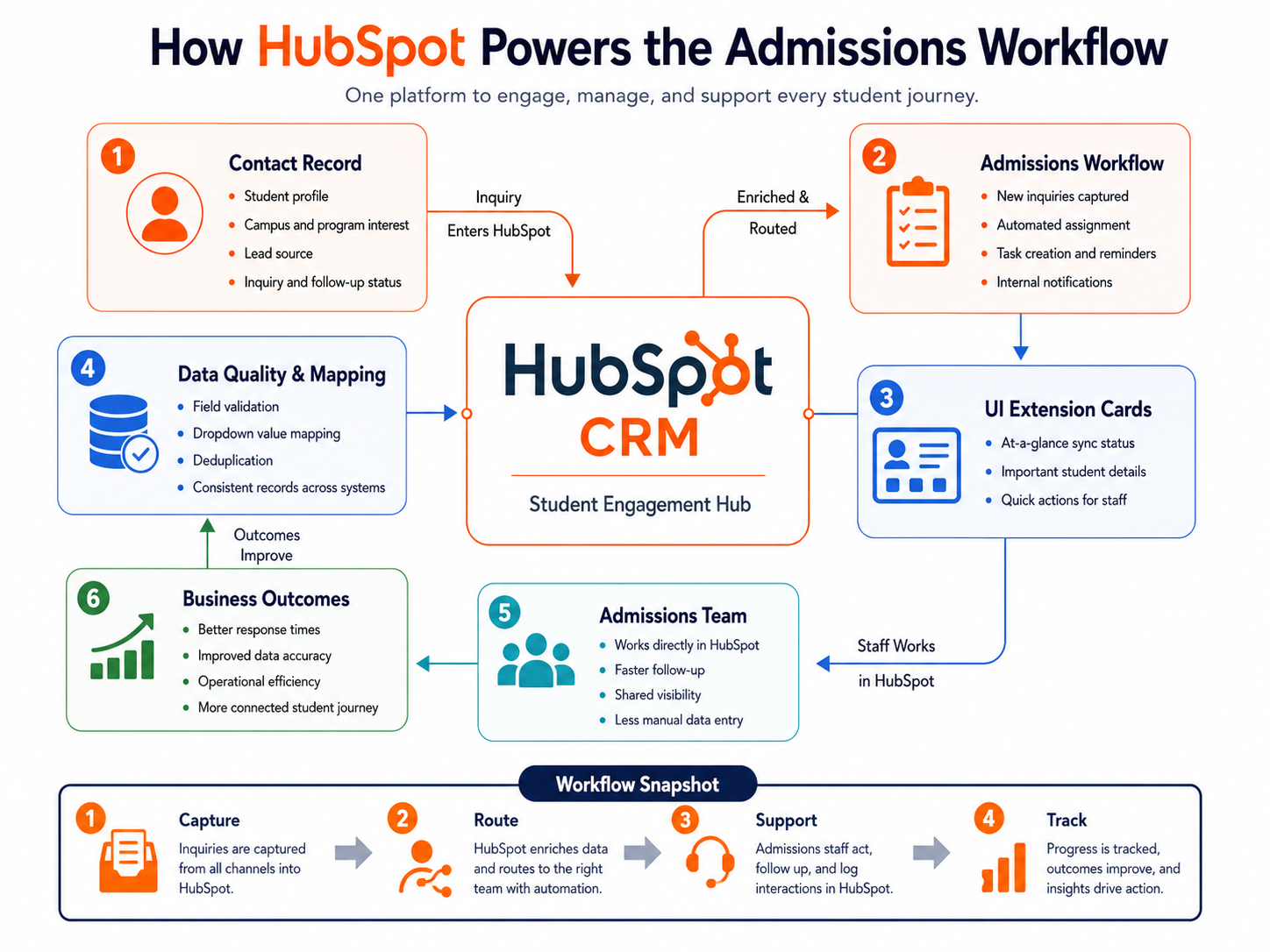
The result is a single, trustworthy record for every student, synced automatically between HubSpot and the campus databases. Admissions works in HubSpot; the education side stays in Access, now faster with fewer concurrent users.
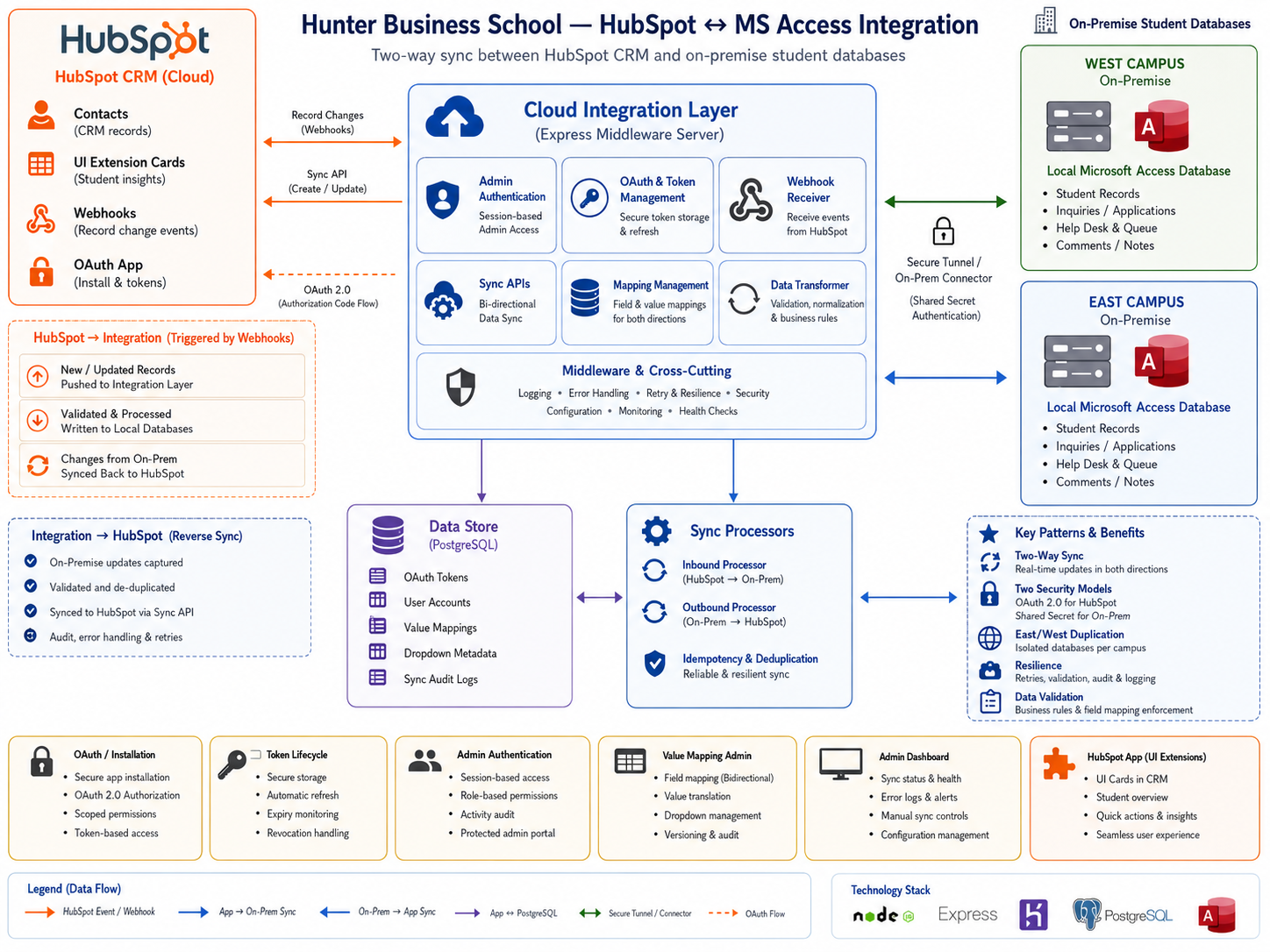
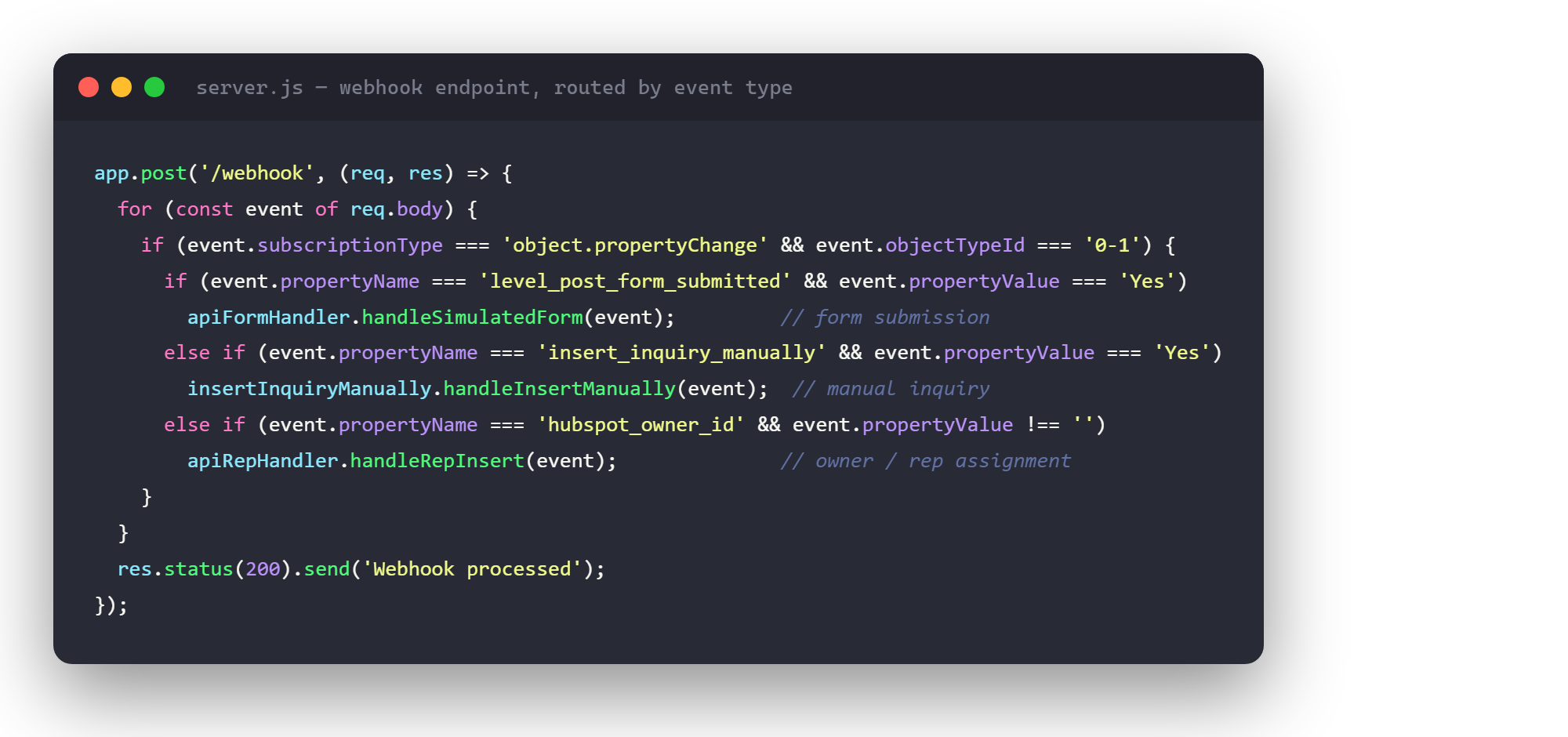
The sync is event-driven and bidirectional. A change in HubSpot, whether a form submission, a manual inquiry, or an owner assignment, fires a webhook that a single webhook endpoint routes to the right handler based on the changed property. The service resolves each event against a deterministic identity key checking both databases so the same student is never created twice, routing it to the correct campus, and writing sync markers back.
Administrators and instructors still manage education records in Access, so changes made there mirror into HubSpot in retried, throttled batches, each value normalized and validated against live field options, so nothing invalid is written. 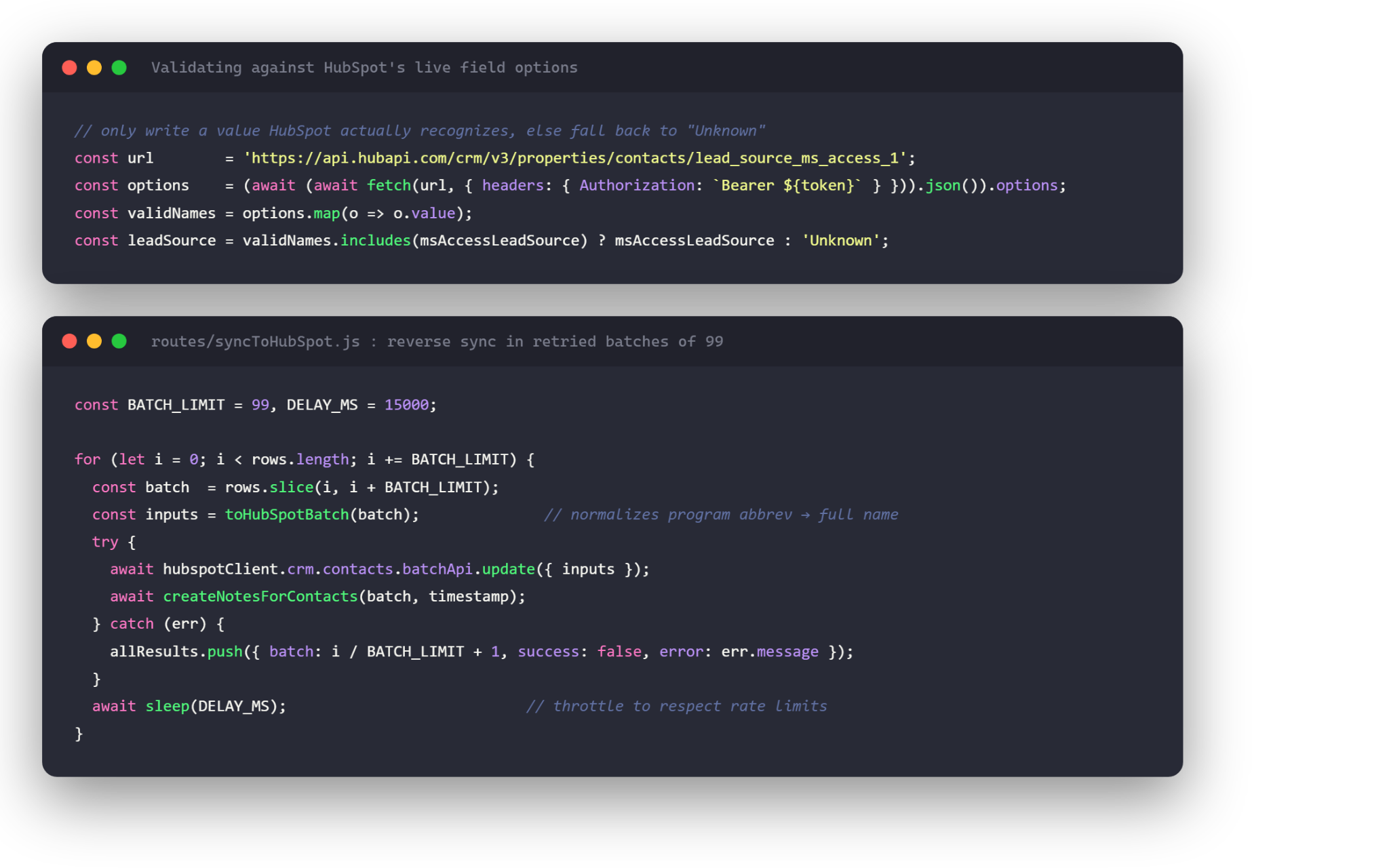
This sync surfaces on the contact record itself: a UI extension, built in React, shows live sync status and triggers a write-back to Access without leaving HubSpot. 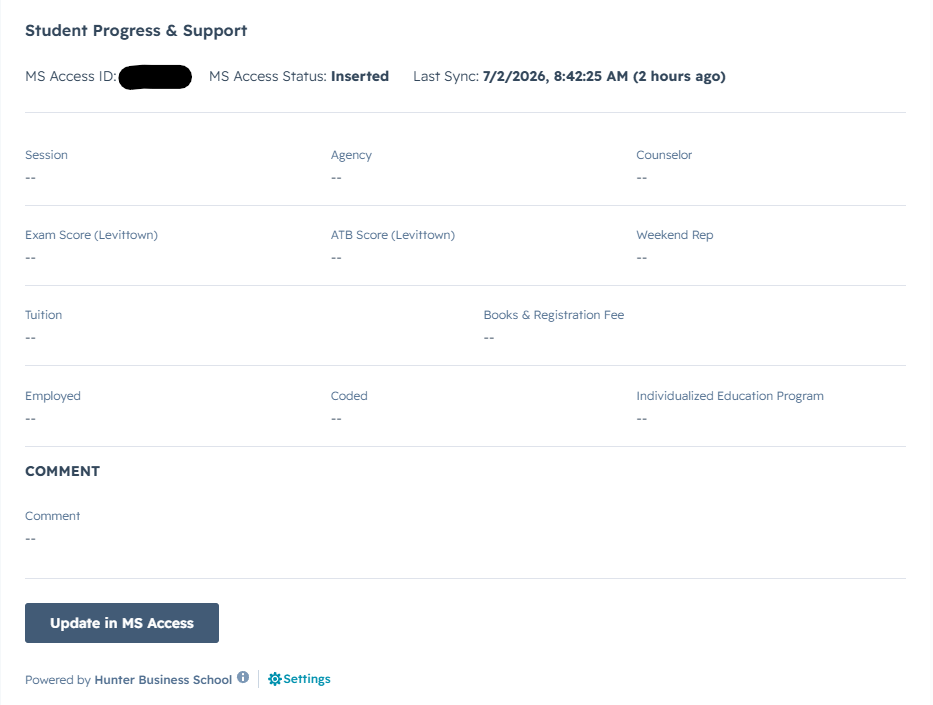
Live MS Access sync status and write-back action.
The student journey became one shared pipeline: initial lead, completed visit, enrollment, and active start with unified data. Ownership, campus, and program properties became consistent, so campus and stage-aware workflows replaced disconnected tools, with suppression rules for students who would have errantly received marketing communications with their legacy stack.
Quality of Impact
Before, Hunter's view of admissions depended on which system someone opened. Now, 22 users across both campuses work from the same definitions, and a student's stage, owner, campus, and history sit in one source of truth, in a modern interface.
The sharpest change is speed.
Assigning a lead was once a manual task that often lagged by hours; since go-live, ownership is assigned automatically, and written back to Access, within minutes: the monthly median has never exceeded 16 minutes, as pictured below.
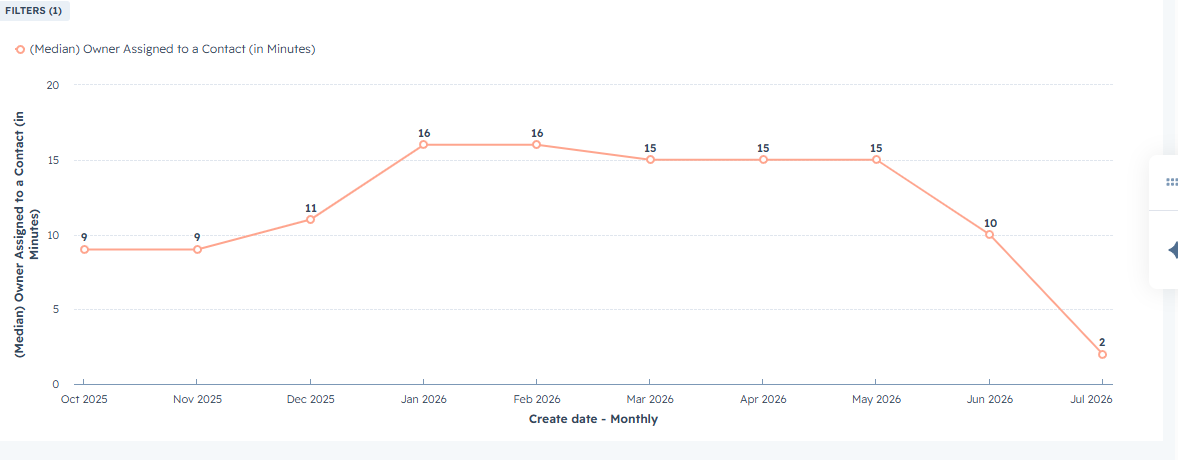
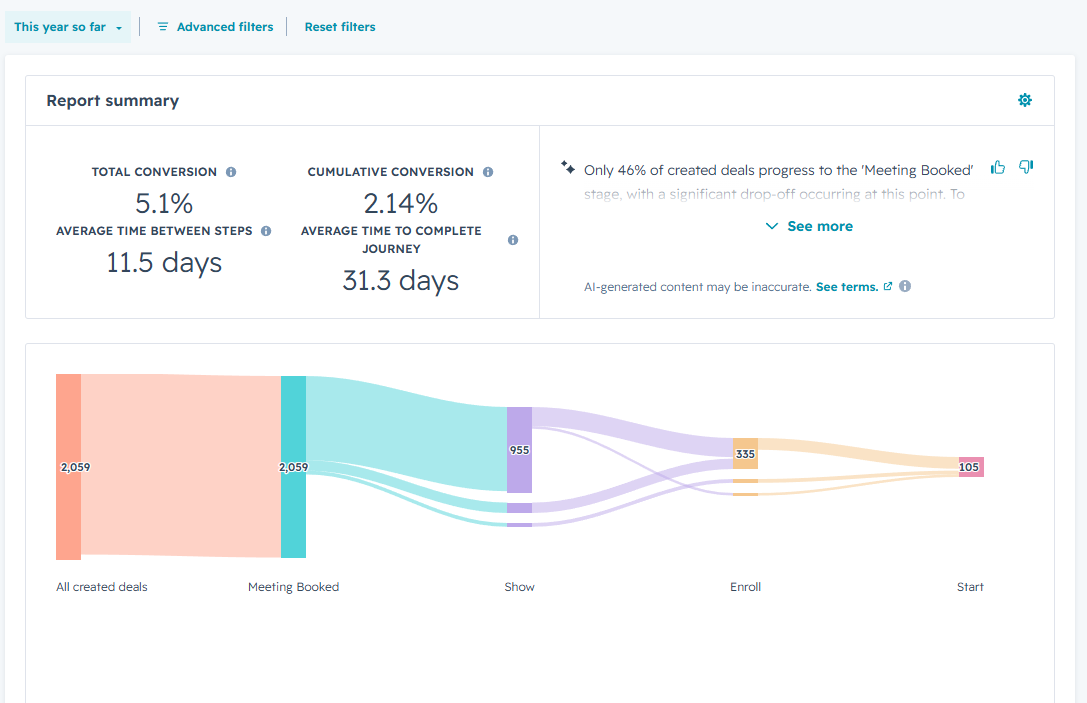
The median time from new inquiry to first outreach has fallen from 43.9 minutes to 15.6 this year, a conversion rate factor tied directly to business impact: 5.1 percent of this year's 2,059 inquiries convert all the way to an attending student.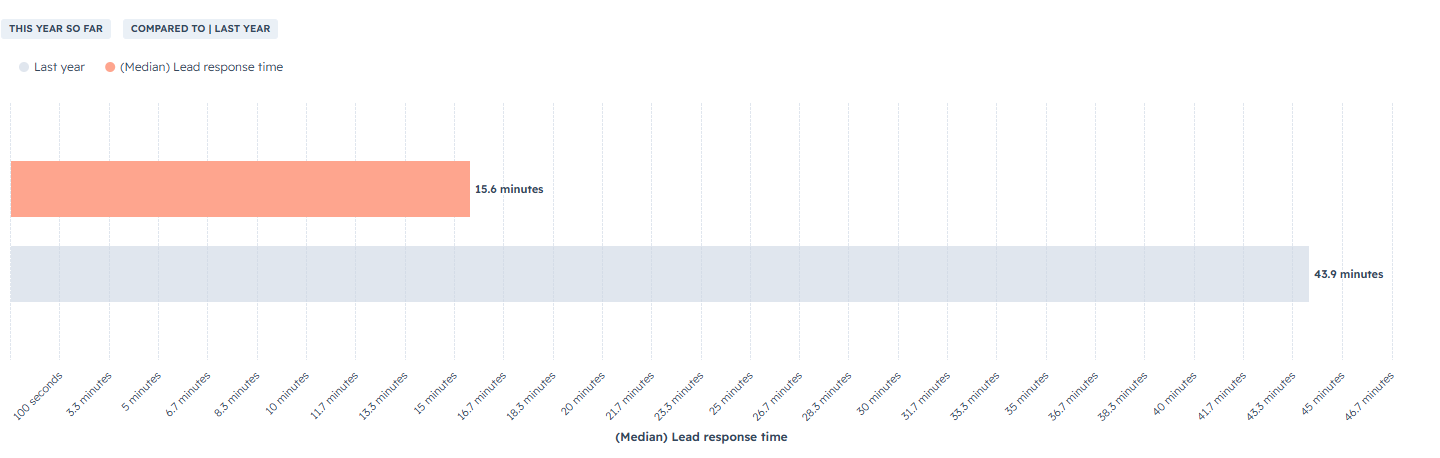
Email, once run from multiple tools, now sends from HubSpot exclusively on deduplicated, stage-aware records: nearly 293,000 sends in 180 days, 99.17% delivered, a scale the old setup could not reach.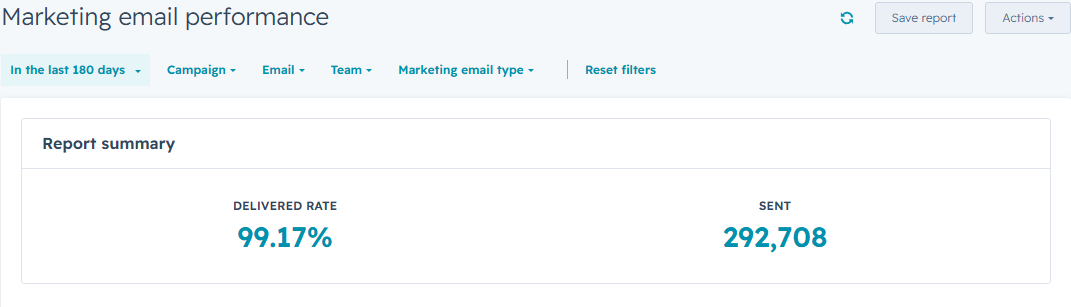
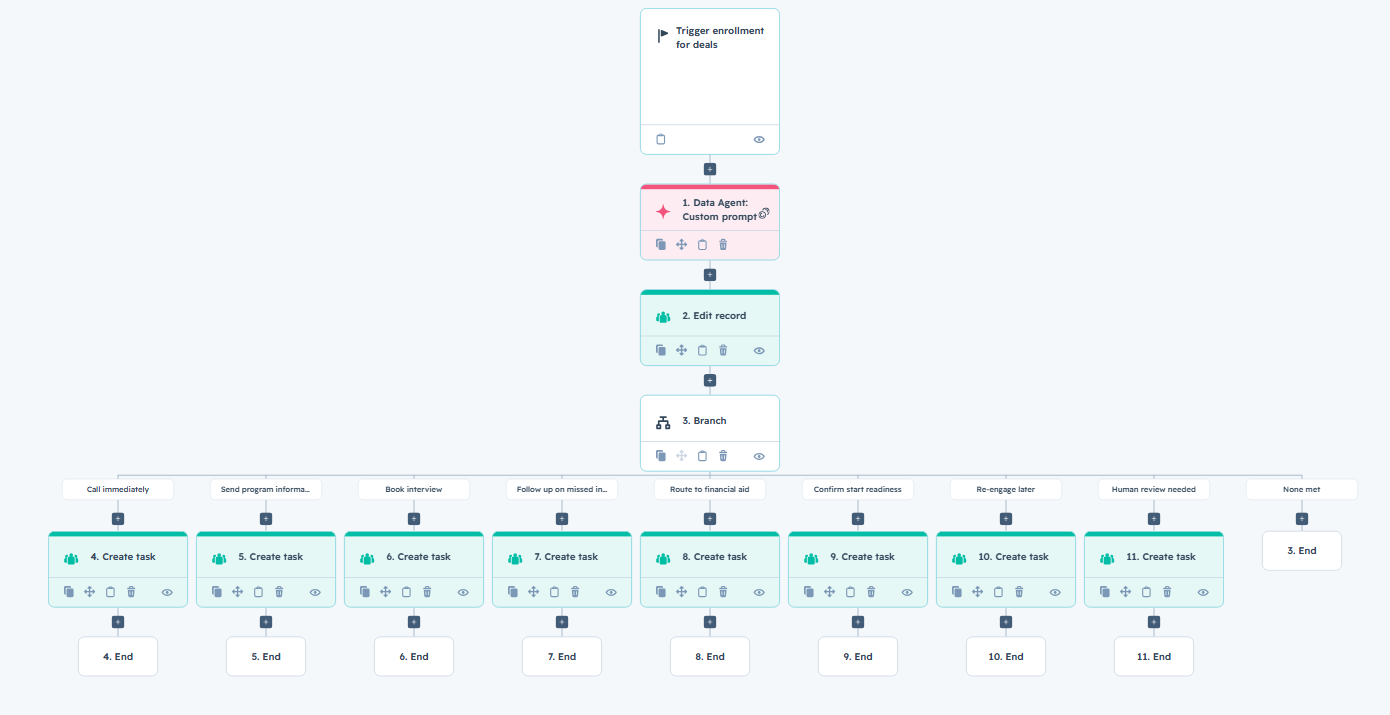
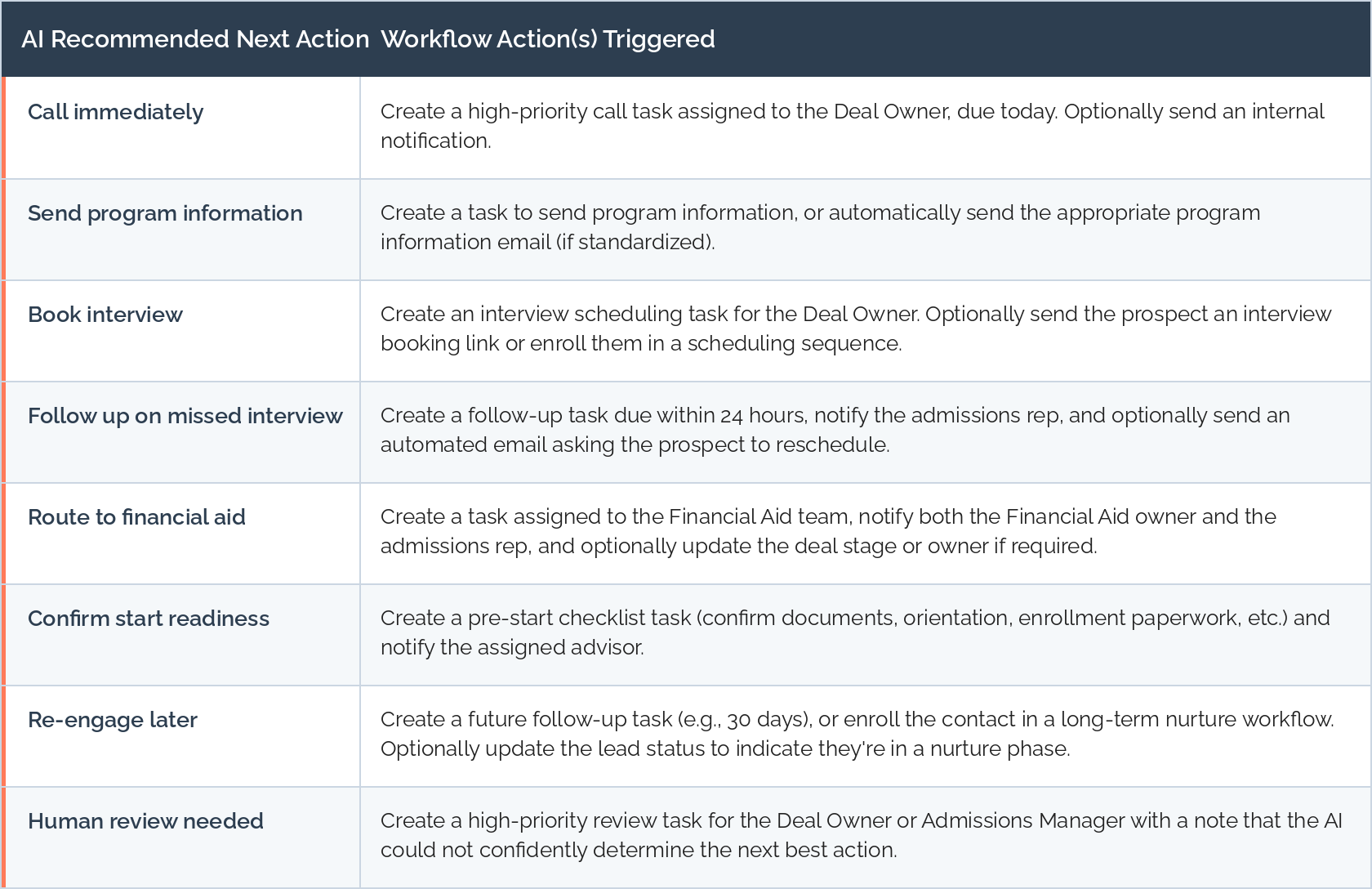
AI in FocusDiscipline made the environment ready for AI: deduplicated records, a dependable identifier, standardized fields, and a structured lifecycle give AI workflows a clean foundation. HubSpot Breeze data agent reads each deal's stage, interview, application, and financial-aid status, and creates one of eight next action tasks, from call immediately to confirm start readiness to human review when signals are ambiguous.
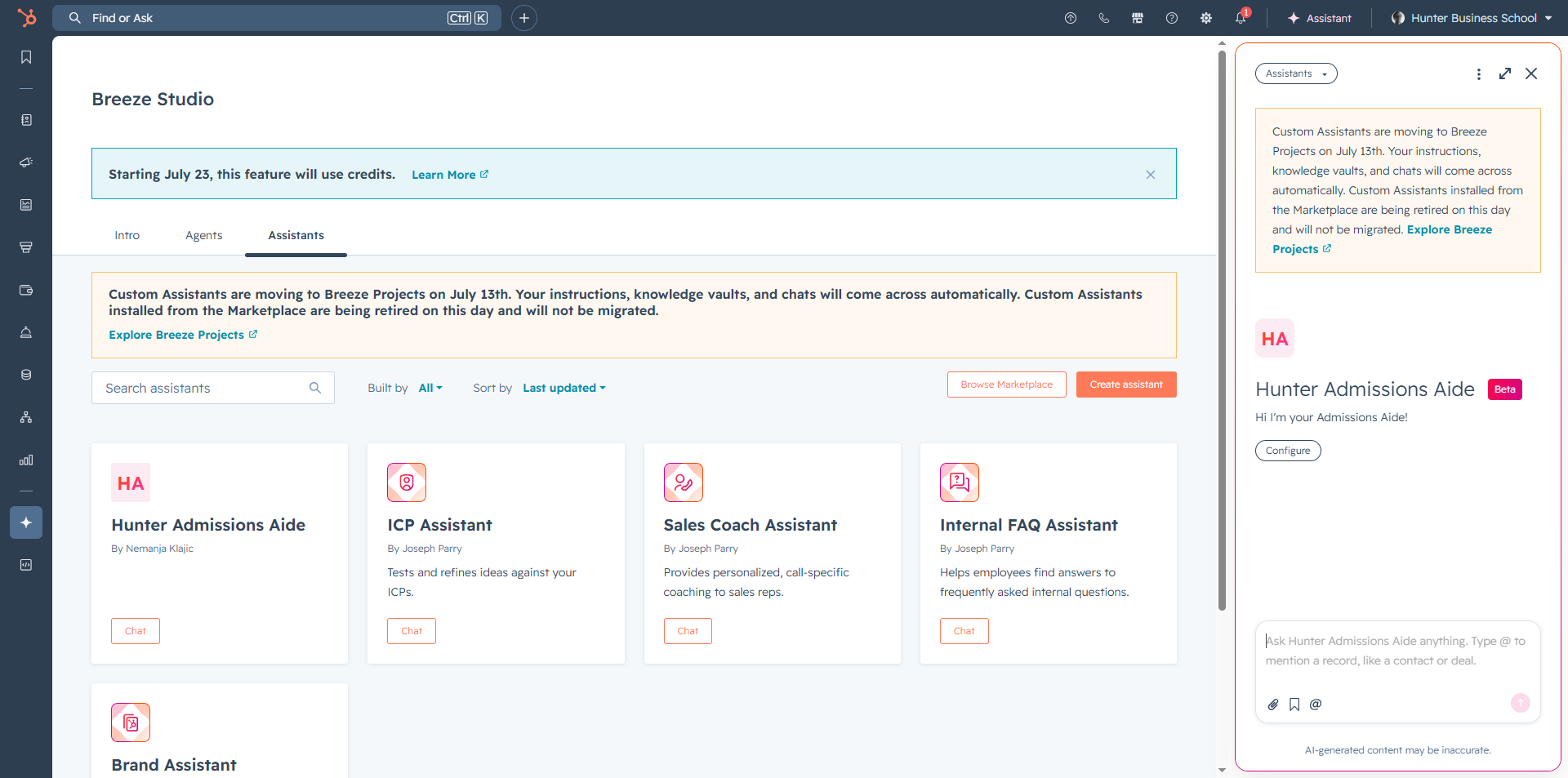
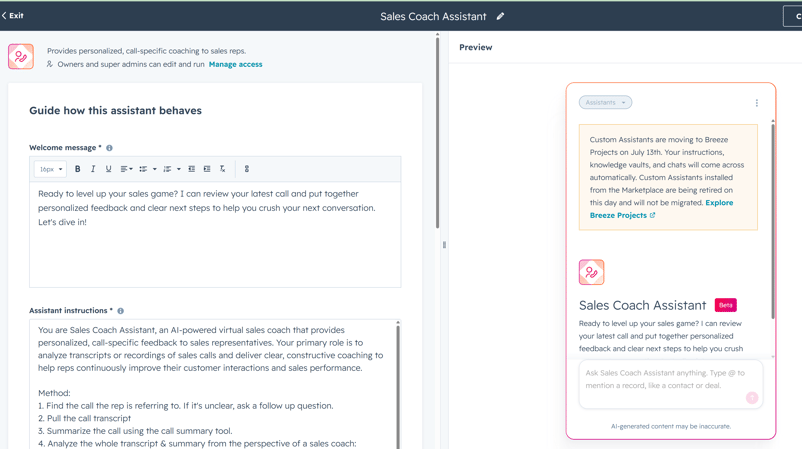
Each recommendation maps to a concrete workflow response below: tasks created, representatives notified, deals routed, no history reconstructed by hand. We built a Breeze assistant that gives admissions staff a natural-language way to work. It reads the CRM directly, ideal customer profiles, brand kits, program and service details, and the current school catalog. Users get insights on best fit programs, vocational school objection handling, and prospective student financing questions.
|
What began as a fix for disconnected records now runs the system Hunter Business School relies on to move every inquiry toward a student who starts classes.